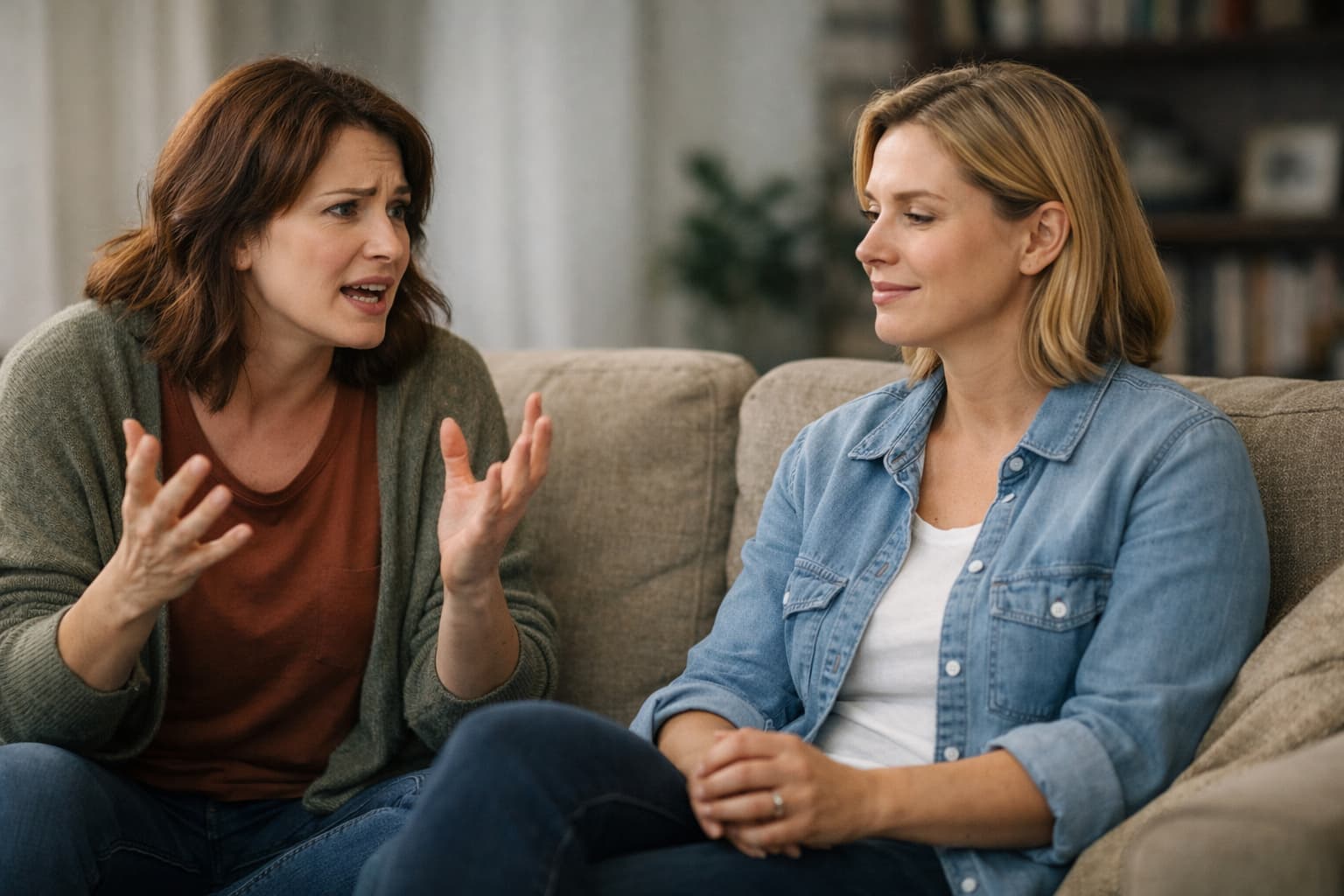
One of the quiet truths of life is this: something happens, and then we respond.
A comment is made.
A plan falls apart.
Traffic slows.
Someone disappoints us.
An opportunity appears.
Stimulus. Response.
It happens so quickly that we forget something important.
There is a space in the middle.
Most of us live as if there isn’t.
Something happens, and we react. Instantly. Emotionally. Automatically. We justify it by calling it “being honest” or “being real.” But often, it’s just reflex.
And reflex can quietly become a lifestyle.
Reaction is a form of action.
It feels passive. It feels like something just happens to us. But reaction is still a choice — even if it’s an unconscious one.
You can live in a cycle of constant reaction and never notice it. Reacting to news. Reacting to people. Reacting to circumstances. Reacting to moods.
Sometimes that works in your favor. Sometimes it builds resilience.
But other times, it pulls you further away from the kind of person you actually want to become.
What changes everything is remembering that there is a space between stimulus and response.
In that space lives awareness.
Observation.
Ownership.
Choice.
It might only be a second. But it’s enough.
Enough to ask:
What’s really happening here?
What do I want to build in this moment?
Who do I want to be right now?
When we forget that space, we live acted upon.
When we remember it, we begin to act.
There’s a subtle difference between influence and being influenced. Between shaping your environment and being shaped entirely by it.
Life will always deliver stimulus. That part isn’t negotiable.
But the response — that’s where agency lives.
And agency is the difference between ownership and victimhood.
It’s the difference between saying, “This is happening to me,” and asking, “What am I going to do with this?”
The space is small.
But it changes everything.
Small hinge.
Big door.